
Record the condition before use
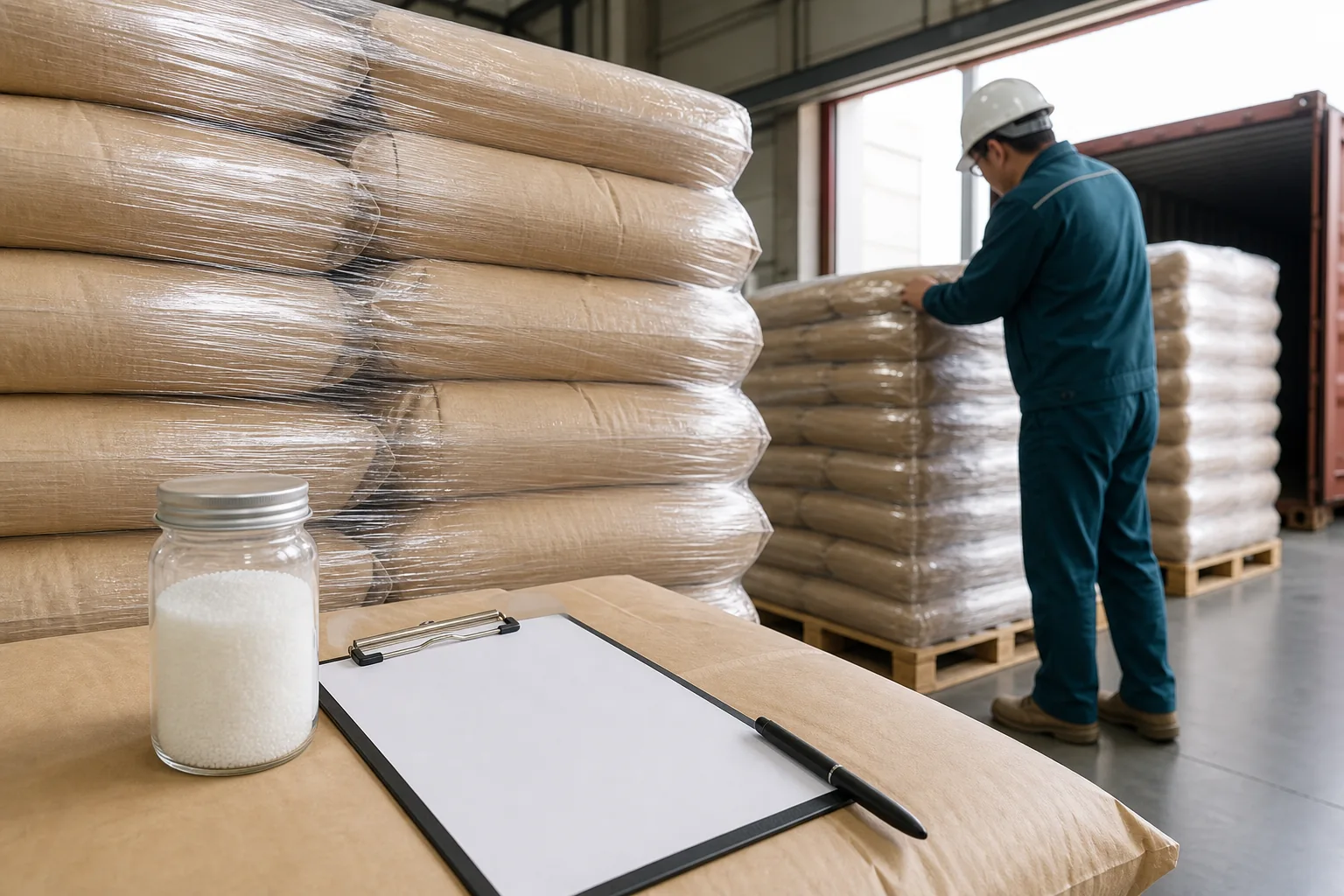
Identify the order, code, lot, affected packages and observed difference. Preserve delivery records and photographs showing the relevant labels, seals or damage. Separate a direct observation from an assumed explanation of how it happened.
Follow the supplied SDS and plant procedure for damaged or questionable material. Do not transfer uncertain stock into a shared hopper or tank while the discrepancy remains unresolved; that can obscure both identity and the scope of the issue.
Check the measurement and document basis
For a quantity question, distinguish package count, declared net contents and any actual weighing evidence. For a label question, compare the physical identifier with the order and lot records. Do not convert a paperwork inconsistency into a proven product defect without further evidence.
Ask the supplier to reconcile the exact discrepancy and identify what additional records are needed. A certificate for another lot cannot settle the identity of an unlabelled package.
Agree the next decision explicitly
State whether the material is held, released or subject to an order-specific concession under the receiving process. Identify responsible reviewers and the evidence needed for the next step. Do not assume a universal remedy, claim deadline or restoration procedure.
Use the lot map and receiving controls to preserve affected quantities. Keep the final disposition and correspondence with the order. An exceptional acceptance should not silently rewrite the specification for every future delivery.
Keep these purchase records
| Decision | Evidence to retain |
|---|---|
| Observation | Affected packages and the original condition are preserved with identifiable records. |
| Basis | Counts, weights and identifiers are compared on a stated document and measurement basis. |
| Disposition | Hold, release or concession is linked to the actual quantity and reviewed evidence. |